


the cuisine in Armenia
Armenian culinary tradition is inextricably linked to its millennia-old history, and its traditions have been passed down through the centuries, creating a truly remarkable culinary landscape. Armenian cuisine is predominantly meat-based, but also features abundant use of excellent local vegetables, which thrive thanks to the favorable climate and rich soil. Among the most famous dishes are kebab , a succulent meat skewer, and khorovats , a typical Armenian barbecue, often accompanied by fresh salads and aromatic sauces. Here is a small selection of the country's culinary tradition, worth trying during your trip to Armenia—a journey that wouldn't be complete without savoring the local delicacies. Don't forget to savor the traditional desserts, such as gata , a delicious sweet pastry filled with walnuts, a symbol of hospitality. Every bite of these dishes tells stories of family and culture, making the culinary experience not only enjoyable but also deeply meaningful.


Khorovats
Khorovats is the king of Armenian cuisine. Skewers of pork, beef, or lamb, lightly marinated and grilled, are served with fresh vegetables and lavash (Armenian bread). This dish is more than just a food, but a true symbol of hospitality and conviviality in Armenia, often prepared for celebrations and family gatherings. The combination of the smoky flavors of the meat and the freshness of the vegetables creates a unique culinary experience. Accompaniments, such as spicy sauces and traditional salads, make every bite even more delicious and memorable. Whether cooked in an elegant restaurant or grilled in the park with friends, Khorovats represents the heart of Armenian gastronomic tradition, and every bite tells a story of culture and passion.


Kyufta
Minced meatballs, lightly spiced and typically cooked in broth. These delicious meatballs are known for their rich flavor and tender texture, making them an ideal dish for family meals or special dinners. They are served with a variety of fresh vegetables, such as carrots, peas, and tomatoes, and often accompanied by a sweet and tangy pomegranate sauce that balances the saltiness of the meat. Foodies appreciate kyufta for both their unique flavor and their culinary versatility. They can be served hot, straight from the broth, or chilled and enjoyed as an appetizer.


Dolma
Dolma is a traditional dish throughout the Caucasus, and the excellent Armenian version couldn't be missing. Rolls of meat, onion, rice, and spices, wrapped in a grape leaf. Each bite of dolma encompasses a complexity of flavors that reflect the region's culinary traditions, offering a gastronomic experience that is both rich and satisfying. This dish is not just a meal, but a symbol of hospitality and conviviality, often shared on special occasions and family gatherings. Dolma preparation is a ritual, where every family has its own secret recipe, passed down from generation to generation, making each dish unique and personal. Served hot or cold, dolma can be accompanied by a variety of sauces, such as yogurt, which further enhance their flavor and texture, making them an excellent choice for any meal.


Spas
A very delicate yogurt-based soup, enjoyed both hot and cold. It can be served with rice or eggs and garnished with green herbs or vegetables. This delicious soup is perfect for any season, as it can be enjoyed as a refreshing summer treat or as a comforting hot dish in winter. It can also be adapted to your personal tastes, adding spices or fresh ingredients like cucumber or tomatoes for added variety. Don't forget to serve with a side of crusty bread or pita bread to complete the culinary experience.


Ghapama
Ghapama is a traditional Armenian dish, considered not only a food, but also a symbol of hospitality and sharing. This colorful and flavorful rice dish is enriched with a variety of dried fruits, including apples, plums, and apricots. It is meticulously cooked and served inside a whole pumpkin, which not only contributes to its unique flavor but also makes the presentation particularly charming and inviting. After a long cooking time, the rice absorbs the juices and flavors of the pumpkin and fruit, creating a harmonious blend that delights the palate. This dish is often prepared on festive occasions and shared with friends and family, thus representing a moment of conviviality and joy during festive meals.


Khash
An Armenian dish for lovers only. It's a winter soup made of boiled beef legs and stomach, served with pickles. It's a dish rich in flavor and tradition, often prepared during holidays and family gatherings. Preparing Khash requires patience and attention to detail, as each ingredient must be cooked to perfection to create a thick, flavorful broth. This dish is loved not only for its unique flavor, but also for the memories it evokes and the stories it tells, making it a central element of Armenian cuisine.


Gata
A typical Armenian dessert with many local variations. It's a baked cake with various fillings, from nuts to fruit jams. Each region of Armenia has its own unique version of this delicious dessert, using fresh ingredients and preparation methods passed down from generation to generation. Gata is often prepared for special occasions and holidays and is a symbol of hospitality in Armenian culture. Served hot, accompanied by a glass of tea or coffee, it represents a moment of conviviality and joy.


Sujukh
Another typical Armenian dessert, Sujukh is made with a paste of grapes, walnuts, and flour. The dough is wrapped in a string and left to dry. This delicious dessert, much loved in Armenia, is often prepared during holidays and celebrations. It can be enjoyed as a snack or dessert, and its sweet, slightly chewy texture makes it unique. The ingredients require a certain amount of attention and care during preparation, and the recipe varies slightly depending on the country's different regions. With its rich flavor and traditional preparation, Sujukh continues to be a fundamental part of Armenian culinary culture and is often shared among family and friends during special occasions.

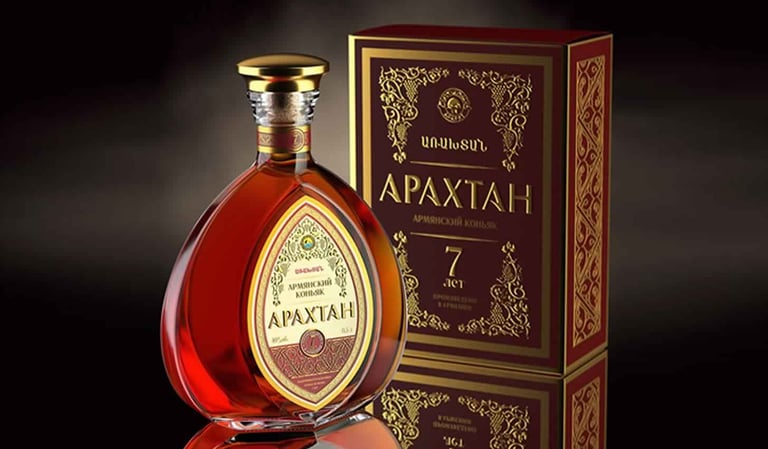
Production of distillates in Armenia
Like Armenian cuisine, brandy distillation has a millennia-old tradition in Armenia, offering a unique combination of culture and art. This production process has been passed down from generation to generation, preserving traditional techniques alongside modern innovations, attracting the attention of connoisseurs and enthusiasts. The reputation of this distillate has grown over the years, although its international fame is a relatively recent development, due to the growing global demand for high-quality products.
Exports of Armenian brandy, known in Russian as Konyak (cognac), were particularly successful starting in the 19th century. During that period, Armenian brandy began to gain an enviable reputation, with its main market being neighboring Russia, where many considered it a delicacy. In the decades that followed, it received several international awards, further cementing its position in the world of spirits; Armenia began to be seen as a land of quality and tradition in brandy production.
The most famous brand remains Ararat, appreciated by celebrities such as Frank Sinatra and many others, who have praised its rich and complex flavor. Ararat is Armenia's fourth-largest export, and its fame has transcended national borders, reaching tables around the world, where it is often associated with moments of celebration and conviviality. Each bottle tells a story of passion and expertise, with aromatic notes reminiscent of its homeland.
The main Ararat factory is located in Yerevan, the Armenian capital, a place that is not only a production center but also a meeting place for brandy lovers. The factory is open to visitors and has an on-site shop where visitors can purchase different varieties of brandy, as well as exclusive souvenirs. A bottle of Ararat is definitely a great souvenir to purchase during your tour of Armenia: it's a symbol of local hospitality and culture, perfect for sharing with friends and family to remember your experience in this fascinating country, rich in history and traditions.

Contacts
Italy: Incoming Tours
via Padre Losi 24 - Caselle Landi - LO - IT
REA number: LO - 2682570
Policy Europassistance No. 4818133
Eastern Europe representative:
ul.Partizanskaya 25 - Moscow - RU
Mongolia representative:
Chonon bld, Seoul St., Ulaanbaatar, Mongolia - MNG
Central Asia representative:
ul.Kurmangazy 1/96/25 Almaty - KZ
telephone: +39 0377046332
WhatsApp: +393334052902
mail: info@incoming-tours.com