


Uzbekistan 2026
Package tour : Individual departures on flexible dates. Discounted group rates available upon request.
Duration : 8 days, 7 nights.
Code : PG-U8.
Accommodation : Hotel.
Excursions : Included as per itinerary.
Meals : B&B, folklore show program at the Nadir Divan-begi Madrasah, dinner at the National House in Bukhara, lunch at the end of the tour in Samarkand.
Highlights : Modern Tashkent, legendary Samarkand, Bukhara, and Khiva.
Tour Note : Itinerary, rates, and program are subject to confirmation and may vary due to changes in flight and train schedules and exchange rate fluctuations.
For quotes : please send your requests to info@incoming-tours.com
8-day Uzbekistan tour
Program
Day 1: Arrival in Tashkent
Arrival in Tashkent. Transfer to the hotel. Check-in. Free time.
Day 2: Tashkent – Urgench – Khiva.
Breakfast and start of a guided tour of the capital of Uzbekistan, the largest city in Central Asia. Visit the Old City, visit the Khast-Imam complex, where the famous Quran, the holy book belonging to Caliph Uthman, is kept. The complex consists of the Barak-Khan Madrasah, the Tillya Sheikh Mosque, the Saint Abu Bakr Kaffal Shashi Mausoleum, and the Imam al-Bukhari Islamic Institute. Continue to the Chorsu Bazaar. Transfer by Tashkent metro to the city center to visit the Museum of Handicrafts, the Navoi Theater, and Amir Timur Square, where the Tashkent city tour ends. Transfer to the airport, flight to Urgench (1093 km, 1 hour and 30 minutes). Arrival in Urgench in the evening, transfer to the hotel in Khiva (30 km).
Day 3: Khiva – Urgench – Bukhara
Breakfast at the hotel and tour of Khiva. Visit the Ichan-Qala Fortress, a UNESCO World Heritage Site. At the Ichan-Qala Fortress, visit the Kunya Ark, Sayeed Alauddin Mausoleum, Arab-Mukhamadkhan Madrasah, Oq-Masjid Mosque, Hodjan Berdi-biya Madrasah, Shirgazikhan Madrasah, Abdullakhan Madrasah, Juma Mosque, Allakulikhan Madrasah, Tosh-Khovli Palace, Pakhlavan Makhmud Mausoleum, and Islom-Khoja Minaret. In the evening, transfer to the domestic airport and flight to Bukhara. Arrival in the evening and transfer to the hotel. (Flight subject to availability, possibly replaced by a train or private bus).
Day 4, Bukhara:
Breakfast and a walking tour of Bukhara's city center.
Visit the Lyabi Hauz Ensemble, Magoki-Attori Mosque, Chor-Minor Madrasah, the Commercial Domes, Kalyan Minaret, Kalyan Mosque, and Miri-Arab Madrasah, Ulugbek and Abdulazizkhan Madrasahs, Ark Fortress, Bolo-Khauz Mosque, Ismail Samani, and Chashma-Ayub Mausoleums. In the evening, enjoy a national performance at the Nadir Divan-begi Madrasah and a delicious dinner at the National House.
Day 5: Bukhara – Samarkand:
Breakfast at the hotel.
Visit Sitorai Mokhi-Khosa, the summer residence of the last emir of Bukhara, a unique site combining Oriental and Russian architecture. Continue to the Bakhouddin Naqshbandi Mausoleum and the Chor-Bakr necropolis. In the afternoon, transfer by high-speed train (Afrosiyob) or bus.
Arrive in Samarkand and check into your hotel.
Day 6: Samarkand
: Breakfast at the hotel.
Sightseeing tour of Samarkand. Visit the spectacular Registan Square, the Gur Emir Mausoleum (the mausoleum of Amir Timur), the ruins of the Bibi Khanum Mosque, the Siab Bazaar, and the Ulugbek Observatory. Free time in the afternoon.
Day 7: Samarkand – Tashkent:
Breakfast at the hotel.
Second day of sightseeing tour of Samarkand.
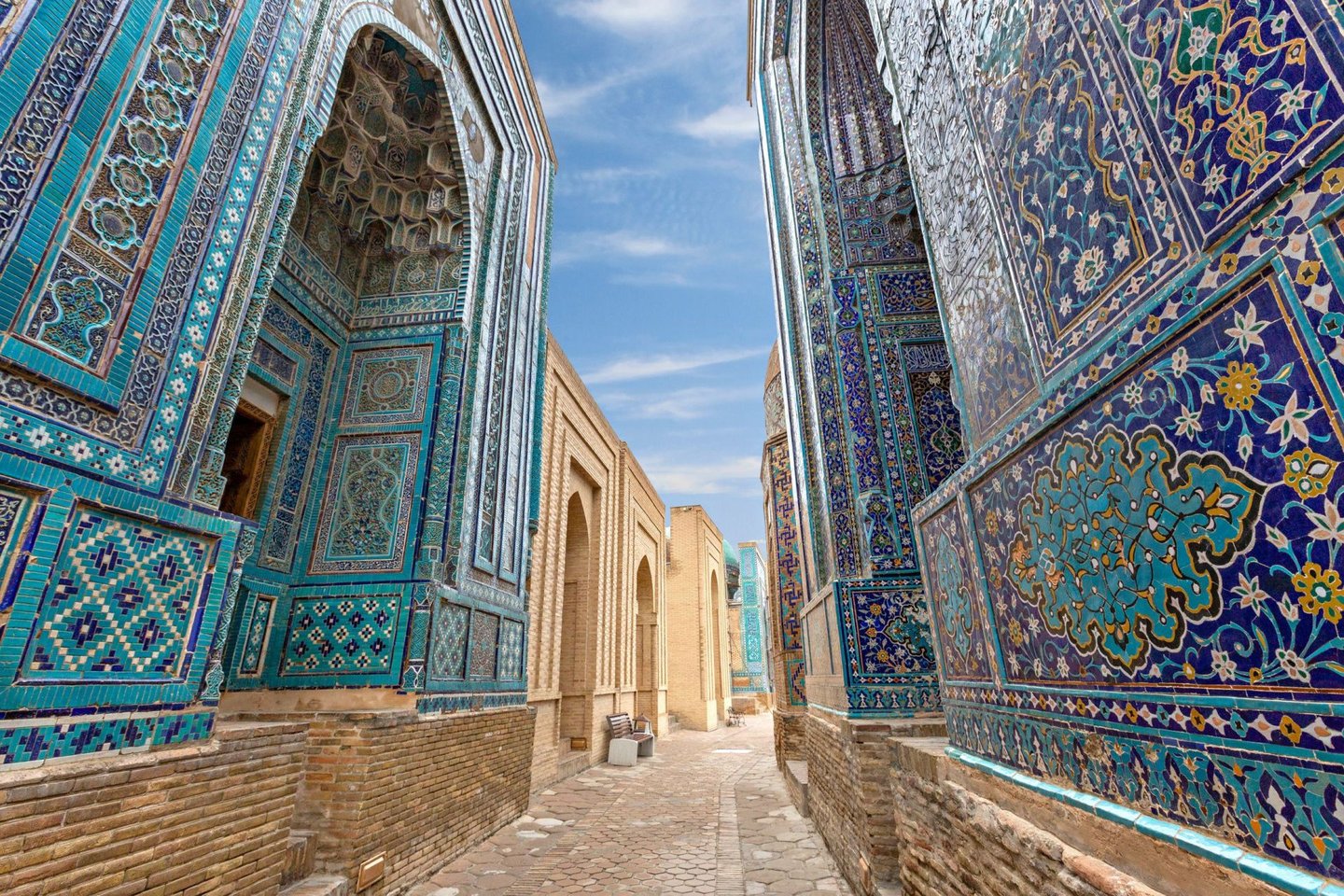
Visit the Shakhi-Zinda necropolis, the Afrasiab Museum, and the Tomb of Saint Daniel. Continue by bus to the village of Konigil to explore the traditional Samarkand mulberry papermaking process. Lunch.
In the afternoon, transfer to the train station to take the Afrosiyob high-speed train (300 km, 2 hours and 10 minutes) to Tashkent in the evening. Transfer to the hotel.
Day 8: Tashkent – Departure
Transfer to the airport.
End of services.
Included in the tour
all transfers (1-2 pax by car; 3-7 pax by minivan)
accommodation in double/twin rooms, breakfast included
Excursions in each city with local guides (English guaranteed; French, German, and Italian on request)
entrance tickets to tourist sites as per program
Standard class ticket for flights Tashkent-Urgench and Urgench-Bukhara
Standard class ticket for the Bukhara-Samarkand-Tashkent train (in rare cases, if a high-speed train is unavailable, we will replace it with another train with a higher class carriage)
Folk show at the Nadir Divan-begi madrasa, dinner at the national house in Bukhara, and farewell dinner in Samarkand.
Visa support for Uzbek tourist visas (if visa is required)
Not included in the tour
international flights to Uzbekistan
guide in Italian, Spanish, French, German (on request)
Single supplement on request
full board (lunches and dinners)
extra services and additional hotel services
Consular fees for Uzbek tourist visa (if required)
insurance policy
anything not mentioned under “Included in the tour”
Request a quote
For quotes : you can send your requests to info@incoming-tours.com
Don't forget to write us:
- preferred travel period
- number of people
- preferred departure airport
- maximum duration of the trip
Or you can submit your request using the form below:
tour in Uzbekistan
Here are some sample programs for your trip to Uzbekistan. Incoming Tours specializes in organized tours for pre-formed groups and offers a wide range of options, tailored to different preferences and needs. For individuals, we can design bespoke itineraries, taking into account not only the must-see sights but also the unique experiences to be had, optimizing them in terms of cost, visits, and duration. We assure you that each program will be carefully crafted to best meet your specific needs. All programs are customizable and can be optimized, offering flexibility and the opportunity to explore the beauty of Uzbekistan at your own pace and according to your personal interests.
For your inquiries, please write to us at info@incoming-tours.com
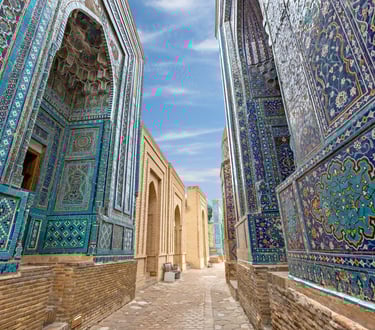
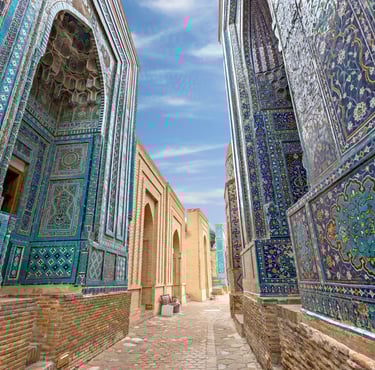
Duration : 8 days 7 nights
Code : PG-U8
Accommodation : Hotel.
Excursions : Included as per itinerary.
Meals : B&B, folklore show program at the Nadir Divan-begi Madrasah, dinner at the National House in Bukhara, lunch at the end of the tour in Samarkand.
Highlights : Modern Tashkent, legendary Samarkand, Bukhara, and Khiva.
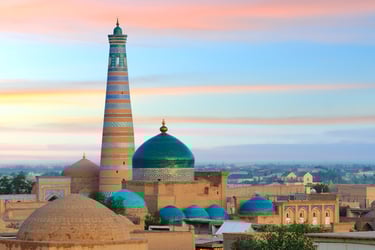
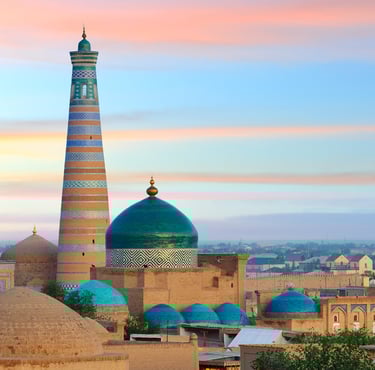
Duration : 10 days 9 nights
Code : PG-U10
Accommodation : Hotel.
Excursions : Included as per program.
Meals : B&B, folklore show program at Nadir Divan-begi Madrasah, dinner at the National House in Bukhara, lunch in Gijduvan.
Highlights : Tashkent, Khiva, Bukhara, Gijduvan, and Samarkand.
Top places to visit in Uzbekistan
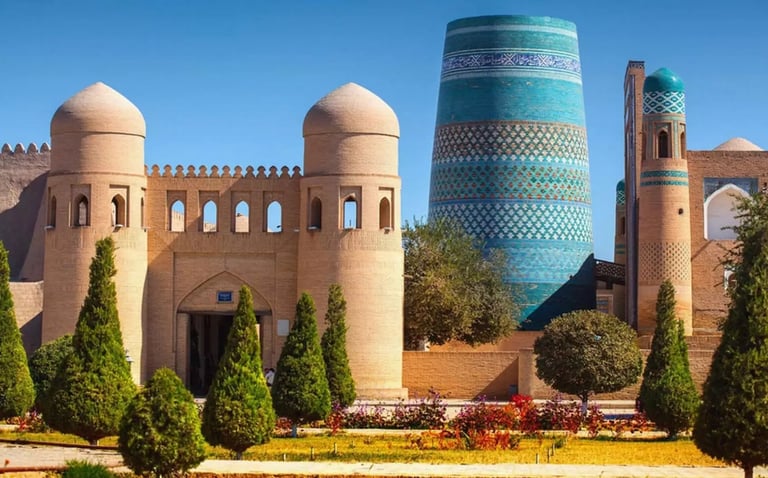
For centuries, Uzbekistan has been a crossroads of trade, and its cities have reaped the benefits of the flow of goods, spices, and fine fabrics that moved from East to West along the Silk Road. Tashkent, the capital, a post-Soviet city, a perfect blend of ancient and modern worlds, is a vibrant metropolis that continues to reveal hidden treasures to visitors. Samarkand, an architectural treasure trove shaped over the centuries by the reign of Alexander the Great and splendid Islamic art, offers majestic monuments such as the Registan, resplendent with its vibrant colors and intricate tilework. Bukhara, a museum city, with its numerous mosques and blue madrassas, is a true chapter of living history, where every corner speaks of a rich cultural heritage and thriving trade. The ancient streets of these cities tell stories of travelers and merchants, of encounters and exchanges between diverse cultures, making Uzbekistan a fascinating place to explore and understand in all its complexity and beauty.


Samarkand
Founded in the 7th century BC, it is one of the oldest cities in the world. With its splendid architecture and rich mausoleums, it is now a UNESCO World Heritage Site. The city has a fascinating history intertwined with ancient caravan routes, making it an important cultural and commercial crossroads. Over the centuries, Samarkand has been influenced by various civilizations, including Persian, Greek, and Islamic, each of which has left an indelible mark on its culture and architecture. Today, visitors can explore magnificent buildings such as the Registan and the Bibi-Khanym Mosque, as well as enjoy the vibrant local life that celebrates both history and modernity.


Bukhara
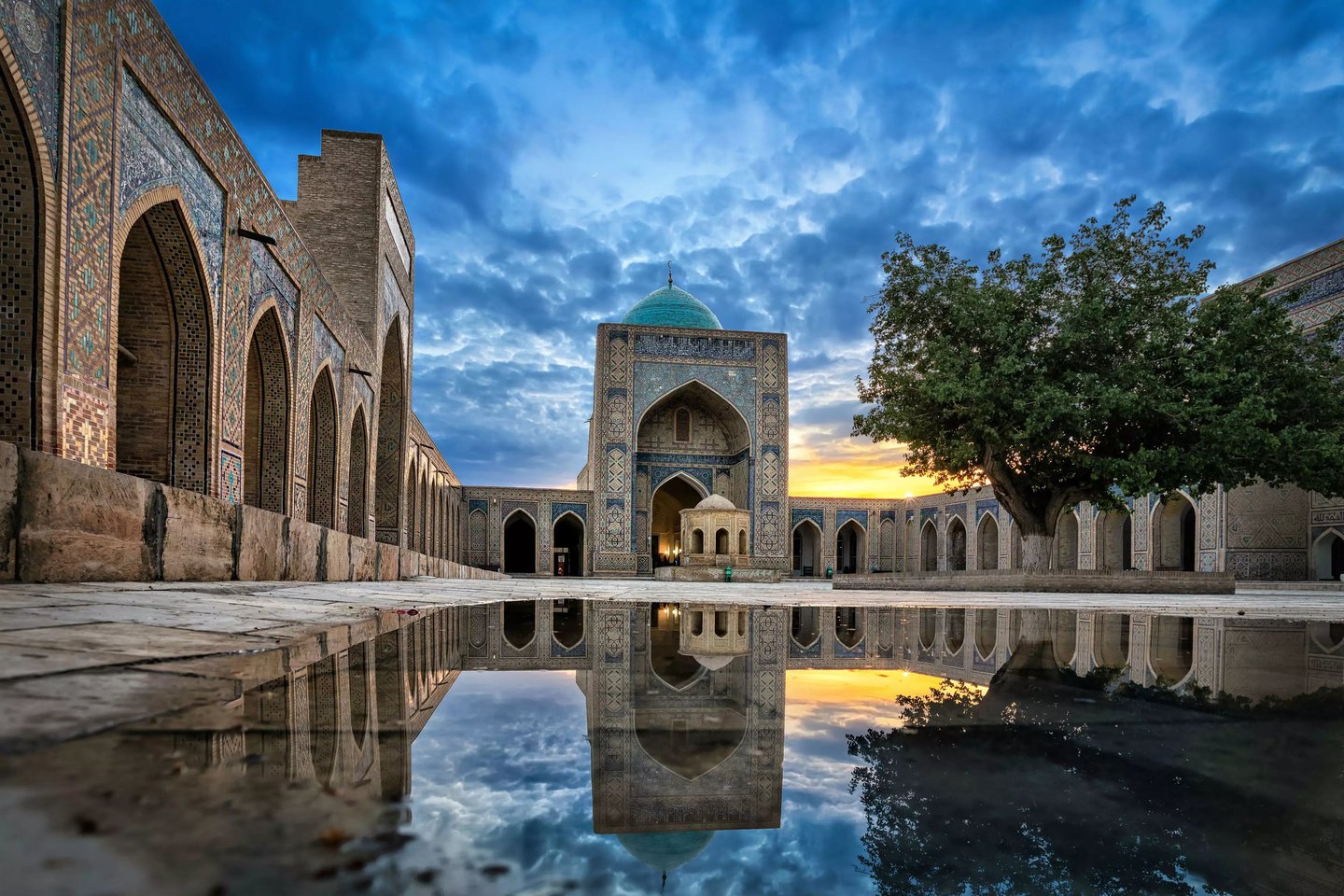
An important cultural, religious, and political center with over 2,000 years of history, Bukhara, with its mosques, bazaars, and madrassas, is a UNESCO World Heritage Site. It played a crucial role in the Silk Road, serving as a crossroads of diverse cultures, traditions, and trade. Travelers visiting Bukhara can immerse themselves in a rich architectural and artistic heritage, with historic buildings displaying marvelous decorations and unique designs. Every corner of this city tells stories of historic exchanges, cultural influences, and a profound respect for religious practices that continue to shape the daily life of the local community.


Tashkent
The capital of Uzbekistan, with 2.5 million inhabitants, it is the largest city in Central Asia. This fascinating metropolis is characterized by a unique fusion of cultures, historical influences, and urban planning, making it a true jewel of the region. Today, it is rapidly developing and harmoniously blends modernity and tradition, offering visitors an extraordinary array of experiences, from vibrant markets selling spices and traditional fabrics to modern shopping malls and manicured parks where they can reflect on the beauty of the urban landscape. Countless historical monuments tell the stories of a past rich in cultural exchanges, making Tashkent a place of great historical and cultural significance, where the charm of the past meets the energy of the present.
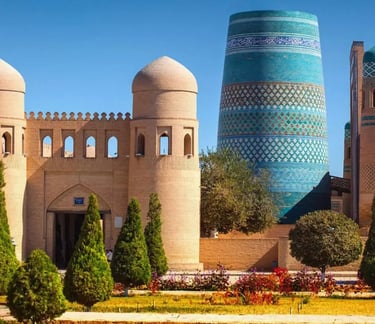

Khiva
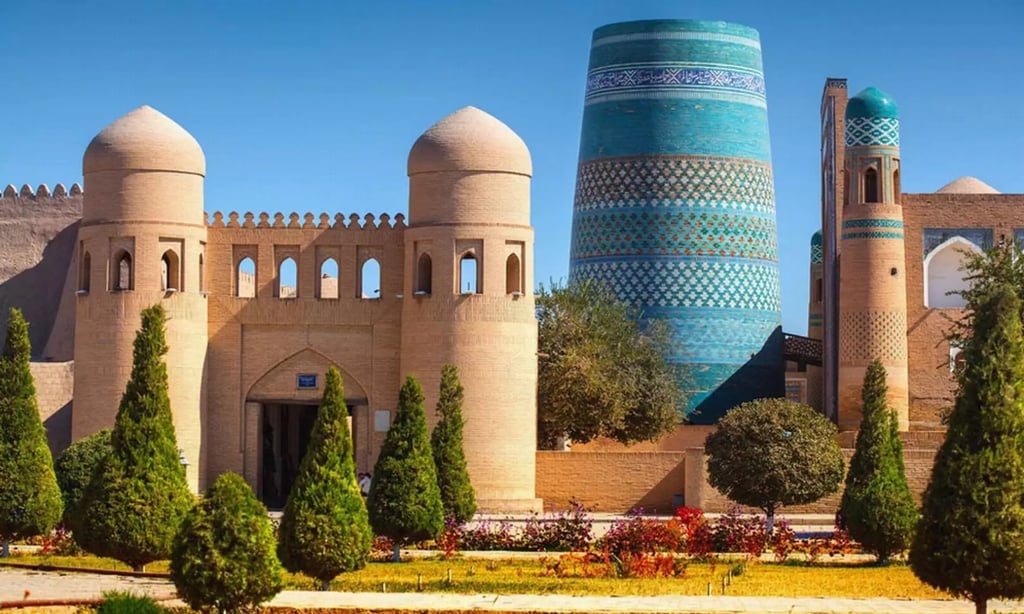
A museum city with 2,500 years of history, located in northwest Uzbekistan in a large agricultural oasis. Its historic center dates back to the 16th-century Khanate of Khiva. Khiva is famous for its extraordinary architectural monuments and its fascinating history, which tells of ancient trade and cultural influences that shaped the region. The city is a true open-air museum, with minarets, mosques, and madrasas that testify to the ingenuity of past civilizations and Khiva's importance as a key stop on the Silk Road.


Uzbek cuisine
You can't fully immerse yourself in Uzbek culture without trying its cuisine. Traditional Uzbek cuisine is unique in the world for its immense variety and its spicy yet balanced flavors. Main dishes are meat-based, typically lamb and beef. Fish and poultry are less common. Abundant spices and vegetables frame wonderful and never boring dishes, spiced just right. Uzbekistan is also a major exporter of high-quality fruit, well worth trying. More information is available on the page dedicated to Traditional Cuisine in Uzbekistan.
Country profile: Uzbekistan
Uzbekistan in brief
Capital: Tashkent
Population: approximately 33 million
Language: Uzbek
Time zone: +4 (Italy), +3 (Daylight Savings Time)
Currency: Sum
Country code for Italy: 0039
Country code from Italy: 00998
Safety: No particular safety issues have been reported in tourist areas.
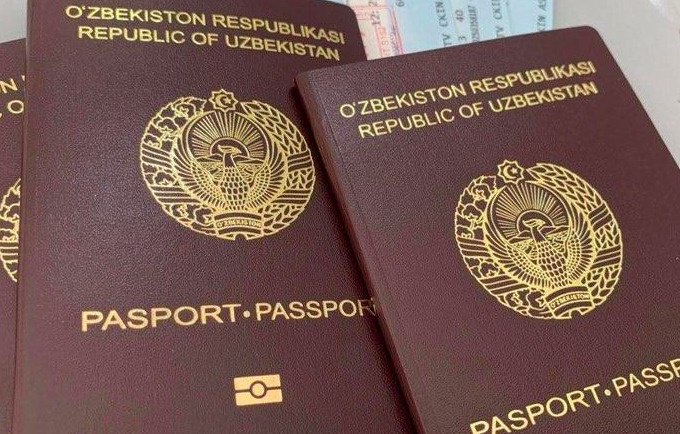
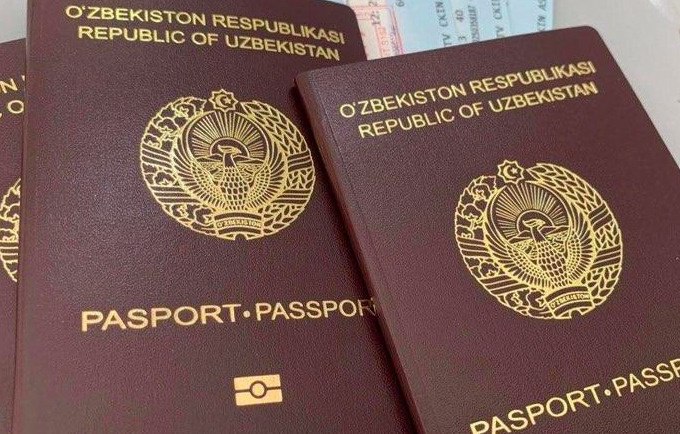
Documents: For European Union citizens, passport is required for entry (valid for 3 months after the date of departure).
Before departure
For a complete overview of the destination, please visit the dedicated website of Ministry of Foreign Affairs of your country and check the latest warnings and information about the country you will be visiting. This link provides the most up-to-date information regarding travel regulations for the destination you intend to visit.
Best time to visit Uzbekistan
Uzbekistan has a dry continental climate, with cold winters where temperatures often drop below freezing, making warm clothing and adequate precautions necessary for those visiting the country during this season. The climate is milder in spring and summer, with summer temperatures from June to August reaching 40 degrees Celsius (104 degrees Fahrenheit). This period is ideal for exploring the country's architectural and cultural wonders, such as the ancient cities of Samarkand and Bukhara, and the sites of historic events that took place in these storied lands.
What is the best time to visit Uzbekistan? Uzbekistan's busiest tourist seasons are spring (March-June) and autumn (September-November), with milder and more pleasant weather compared to the harsh winters or hot summers. During spring, visitors can enjoy the blooming flowers and pleasant temperatures, making the trip a memorable experience. Likewise, autumn offers stunning landscapes of changing leaves and a celebration of traditional festivals, allowing tourists to immerse themselves in the local culture. This climatic variation makes Uzbekistan a fascinating destination to visit year-round, depending on your preferences and desired activities.
Why visit Uzbekistan
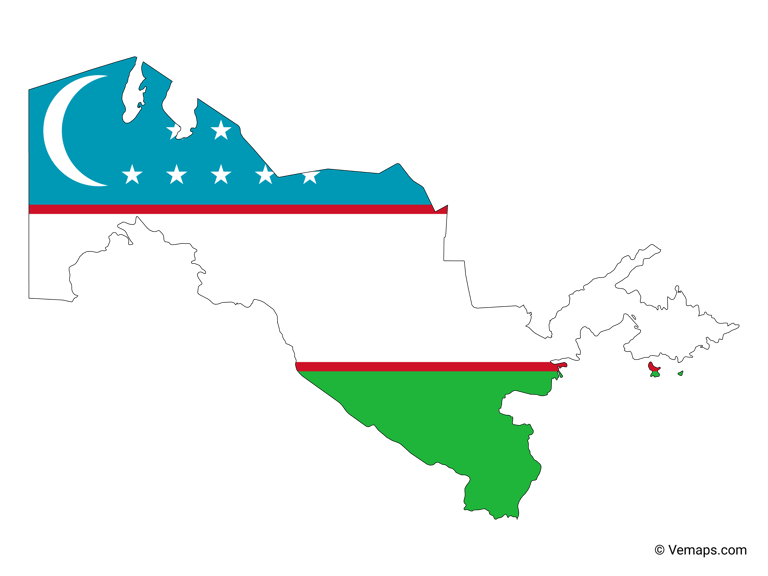
A trip to Uzbekistan is a journey through its millennia-old history. It's an exploration of dreamlike landscapes, exotic scents and aromas, and a taste of adventure. Uzbekistan is located in the heart of Central Asia, strategically positioned along the infamous Silk Road. Uzbekistan hosted its caravans and trade routes, fully benefiting from them and enjoying the riches that passed through it.
Visiting Uzbekistan means rediscovering the atmosphere of the times of Tamerlane, Alexander the Great, the caravans of merchants and pilgrims, thriving bazaars, and opulent mosques and madrassas.
Is travel to Uzbekistan safe?
Security does not pose any particular problems in Uzbekistan. Uzbekistan is a relatively safe country. The rate of violent crime is particularly low. Law enforcement officers regularly patrol the streets and are ready to help and support tourists as needed. In the main tourist destinations and cities of Uzbekistan—Samarkand, Bukhara, and Khiva—it is common to encounter Tourist Police patrols, who often speak English and are ready to interact and assist tourists, ensuring maximum safety during their trip to Uzbekistan. The Uzbek people, accustomed to centuries of trade and cultural exchange, are friendly and hospitable.
The kindness and helpfulness of the Uzbek people, who go out of their way to assist a guest in need, are proverbial. Tourism in Uzbekistan has grown significantly in recent years, both in quantity and quality. Uzbeks understand the importance of tourism in Uzbekistan and demonstrate a genuinely welcoming attitude towards foreigners and tourists visiting Uzbekistan.
How to get to Uzbekistan
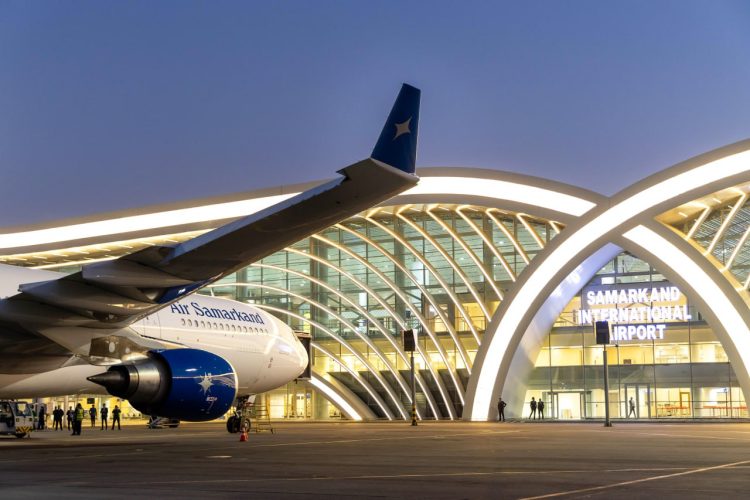
Uzbekistan is connected to major global airports with direct and connecting flights to its capital, Tashkent, which boasts a convenient international airport. The national carrier is Uzbekistan Airways, with regular flights from major international airports. For connecting flights, you can use flights to Uzbekistan operated by major international airlines (such as Turkish Airlines). It's advisable to consult various price comparison sites to find the option that best suits your travel needs and plan your flight to this fascinating nation, rich in history and culture. Additionally, you might consider examining offers from other airlines operating in the region, as they may offer competitive fares. Flights to the destination are frequent, but we recommend booking your Uzbekistan tour well in advance, as availability during the high season (spring and fall) is quite limited due to the high demand for travel to Uzbekistan on the international market. Not only does Uzbekistan offer breathtaking landscapes and a vibrant culture, but it also represents a crossroads of ancient cultures, making your travel experience even more unique. Therefore, planning your trip well in advance not only guarantees you better flights and cheaper fares, but also gives you the opportunity to explore the country further, discover its traditions, and taste its cuisine, which is a huge strength of its tourism offering.
Is a visa required for Uzbekistan?
Uzbekistan recently introduced simplified entry requirements. This decision was made to encourage tourism and cultural exchange, promoting Uzbekistan as an accessible and attractive destination for travelers from around the world. Many visitors are drawn to the country's historical and architectural beauty, as well as the warm hospitality of the Uzbek people.
Since 2018, citizens of many countries, including the entire European Union (and others such as Australia, Argentina, Bulgaria, Bosnia and Herzegovina, Brazil, the United Kingdom, Guatemala, Honduras, the Dominican Republic, Israel, Indonesia, Canada, the Republic of Korea, Costa Rica, Cuba, Mexico, Monaco, New Zealand, Panama, Serbia, Turkey, Chile, Switzerland, El Salvador, Jamaica, and Japan), have been able to enter Uzbekistan without a visa for up to 30 days. It's important to note that entry requirements may vary over time, so it's a good idea to check for any updates or changes in visa policies, especially following the global health emergency. However, we recommend checking the latest updates on entry requirements for Uzbekistan on the official website of the Uzbek embassy in your country of residence, which is also summarized at this link .
Uzbek handicrafts and souvenirs
Uzbekistan has a long and renowned tradition of high-quality local craftsmanship, rich in history and culturally diverse. This country is known not only for its beautiful architecture, but also for its talented artisans who preserve ancient techniques.
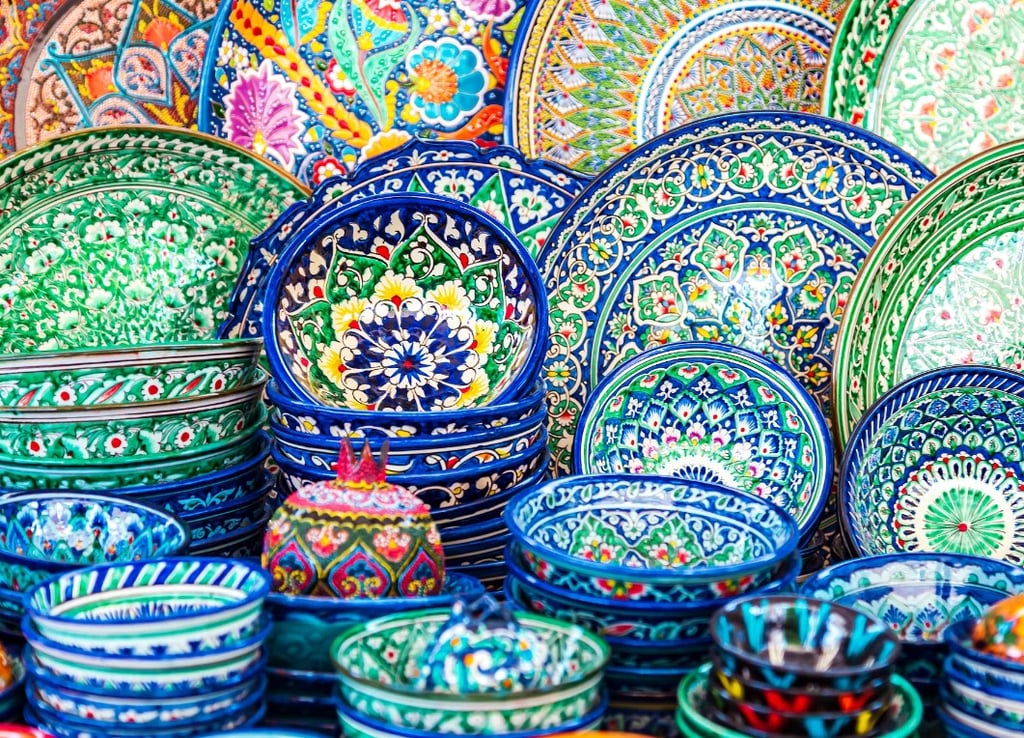
Uzbek ceramics : Each region has its own distinctive form of ceramic decoration. Two of the most important are: In the Fergana Valley, blue glazes, obtained from natural minerals and stones, are typical. The ceramics in this region are renowned for their luster and intricate patterns. In the Bukhara area, near the town of Jiduvan, the renowned local school uses yellow and brown dyes, creating works that represent the isotopic tradition and culture of this historic city. The artisans of Jiduvan are renowned worldwide and offer a variety of handcrafted pieces, from cups to plates, perfect as souvenirs. Wood and metal art : In the main cities, the tradition of metalwork has ancient roots. The jewelry of master craftsmen from Tashkent, Bukhara, and Samarkand is particularly prized. Each piece tells a story, combining modern elements with picturesque designs. Also noteworthy is the production of woodcarvings, a centuries-old tradition that finds its finest expression in the carved doors and columns seen on many Uzbek buildings. These artifacts are not only decorative, but also represent a cultural and historical heritage passed down from generation to generation and help keep Uzbekistan's cultural identity alive. The artisans not only craft their pieces with great dedication, but their art is also a form of personal expression that reflects the beauty of their culture.
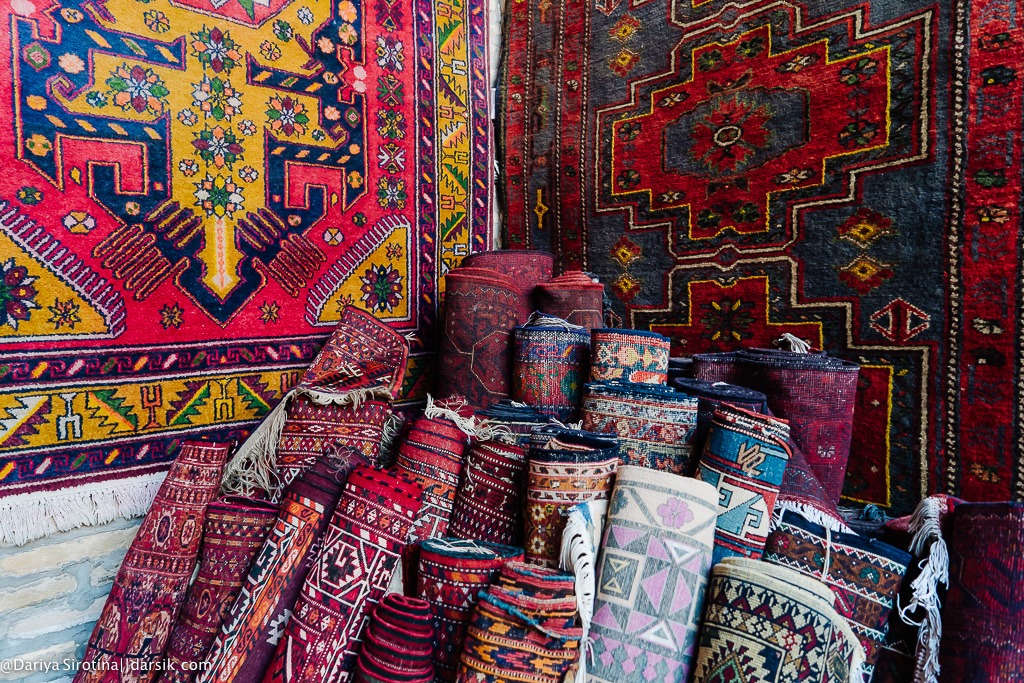
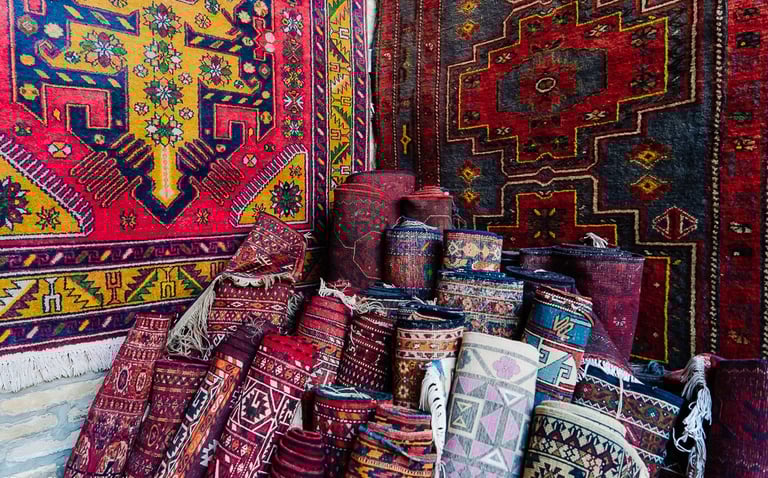
Bukhara Carpets: The world-famous carpet production, centered in the Uzbek city of Bukhara, deserves a special mention. The main creations are made of silk or wool. Recently, some artisan workshops are rediscovering textures and designs dating back to the origins of Uzbek manufacturing, with meticulous historical research that also includes the techniques and natural dyes used in the past.
Travel advice for Uzbekistan: We've only mentioned the main Uzbek artisan products, but that's just a small part of the experience. It's unlikely you'll return from a trip to Uzbekistan empty-handed.
However, we want to emphasize that caution should be exercised when purchasing antiques locally. In Uzbekistan, the export of art objects older than 50 years is prohibited. When in doubt, it's best to avoid them.

Contacts
Italy: Incoming Tours
via Padre Losi 24 - Caselle Landi - LO - IT
REA number: LO - 2682570
Policy Europassistance No. 4818133
Eastern Europe representative:
ul.Partizanskaya 25 - Moscow - RU
Mongolia representative:
Chonon bld, Seoul St., Ulaanbaatar, Mongolia - MNG
Central Asia representative:
ul.Kurmangazy 1/96/25 Almaty - KZ
telephone: +39 0377046332
WhatsApp: +393334052902
mail: info@incoming-tours.com