


cuisine in Georgia
Cuisine is a fundamental part of Georgian culture. Convivial pleasure in Georgia is a ritual, one of welcome and hospitality, sharing with guests what the Georgian land has to offer its people. Georgian cuisine is an irresistible blend of flavors, blending Asian and European traditions in perfect balance.
The richness of Georgian produce is reflected in the variety of its cuisine, its expertly spiced meat dishes, its vegetables, and its never-drab cheeses. A tour of Georgia is never complete without a rich tasting of local Georgian cuisine, accompanied by excellent traditional local wines and chacha, a spirit similar to grappa. For those who love culinary adventures, Georgia offers an admirable variety. Prepare to be enveloped by the unique aromas and flavors that only Georgian cuisine can offer, enriching every moment of your stay in this fascinating nation.
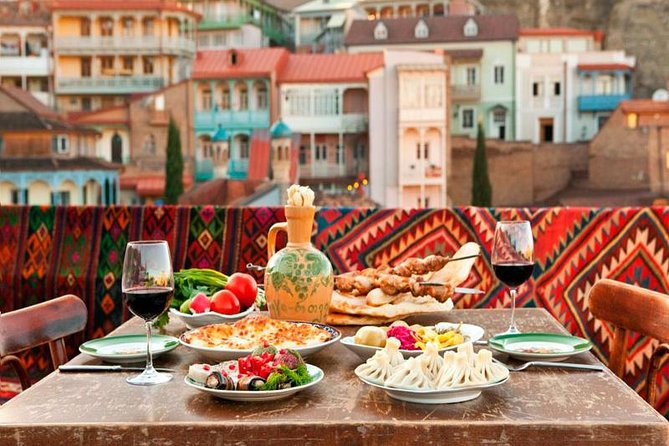



Khachapuri
It's one of the most beloved Georgian dishes. It's a flatbread in various shapes and sizes, usually filled with melted Suluguni cheese, sometimes served in the shape of a boat with an egg in the center. Khachapuri's unique texture, combined with the rich, creamy flavor of the melted cheese, makes this dish irresistible and highly prized not only in Georgia but also by gourmets around the world. There are numerous regional variations, each with its own ingredients and preparation methods, which adds an extra layer of charm to this traditional dish. Whether it's a festive family gathering or a simple dinner, khachapuri is always an excellent choice to satisfy the palate and celebrate the conviviality of Georgian cuisine.
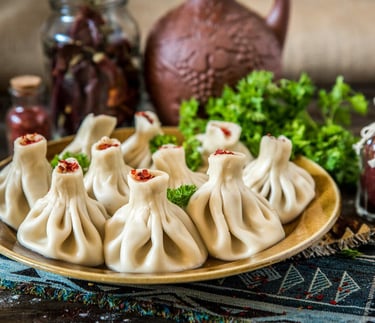
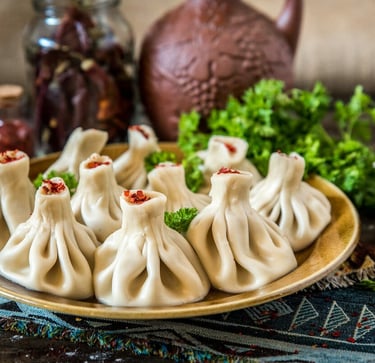
Khinkali
Another Georgian national dish, Khinkali are large steamed dumplings, usually filled with mutton and spices. The vegetarian version is filled with cheese, mushrooms, or potatoes. Every bite of khinkali is an explosion of flavor, and their preparation is an art that requires patience and skill. In Georgia, it's common to eat them in the company of friends and family, making every meal a special event. Khinkali are typically served hot, and tradition dictates that a little broth is left inside the dumpling while eating, creating a unique and engaging gastronomic experience. There are several regional variations that can include ingredients like beef or pork, making these dumplings a versatile and beloved dish!
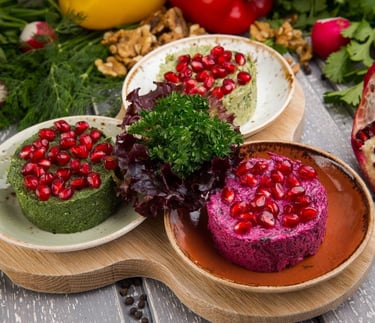
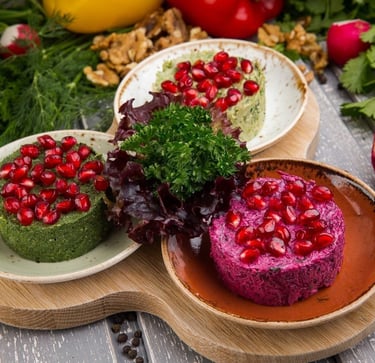
Pkhali
A famous appetizer that's a must-have for any Georgian lunch. These cooked vegetable patties are made with spinach, beets, carrots, and other fresh vegetables, combined with a carefully selected blend of chopped walnuts, aromatic herbs, fragrantly blended spices, and a pinch of garlic, which lends them an extraordinary flavor. Every Georgian family has its own unique recipe for pkhali, and the proportions of vegetables and seasonings can vary, making each dish a special gastronomic experience. This appetizer can be served cold or at room temperature, and is often accompanied by traditional bread and local wine, creating a perfect balance of flavors and culinary traditions.
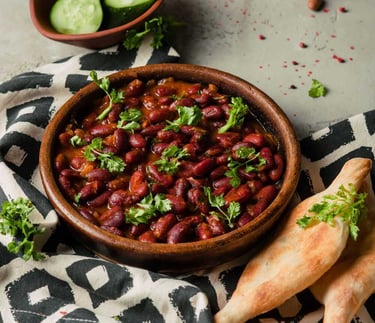
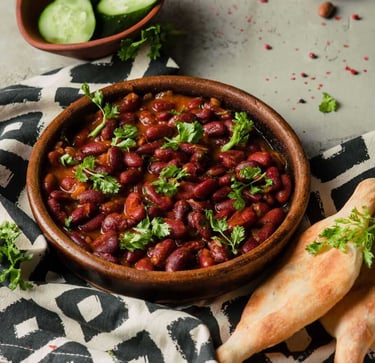
Lobio
A popular Georgian bean soup prepared in a variety of ways, served hot or cold. This delicious and hearty soup is a traditional dish that reflects the unique flavors of Georgian cuisine. The main ingredients are fresh beans, select herbs, and aromatic spices such as coriander. For further flavor, garlic, onions, bay leaves, and fenugreek can be added, giving the soup a depth of aroma and a rich flavor. Lobio is often accompanied with fresh traditional bread and can easily be adapted to personal tastes, making this soup not only nutritious but also versatile and enjoyed by all.
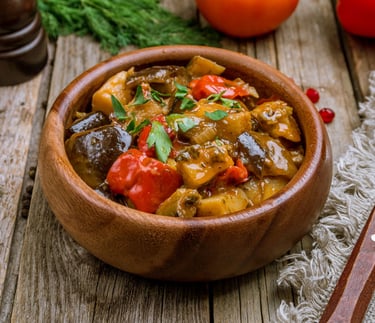
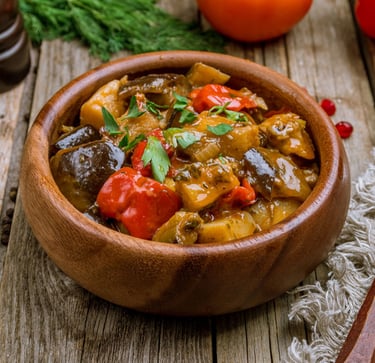
Ajapsandali
Another excellent vegetarian dish typical of Georgian cuisine, it's a vegetable stew featuring eggplant, potatoes, tomatoes, onions, and herbs. Not only is this dish delicious, it's also made with fresh, natural ingredients, making it an excellent choice for those seeking a healthy and nutritious meal. Adding traditional spices like coriander and garlic further enhances the flavor, creating a unique harmony of flavors that perfectly represents Georgia's rich culinary tradition. It's a perfect dish to serve on special occasions or simply to enjoy a comforting and satisfying meal during a casual dinner.
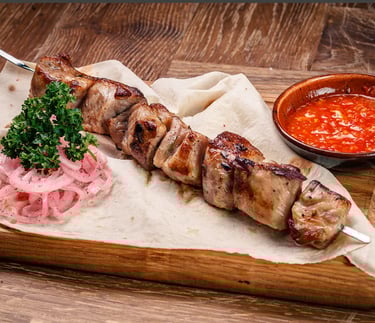
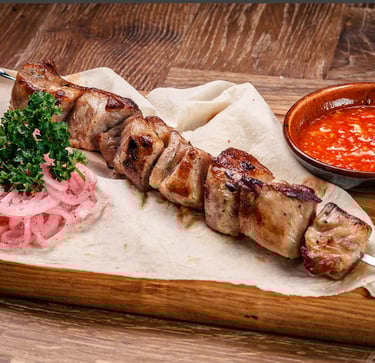
Mtsvadi
This is the Georgian version of skewer (shashlik). The meat can be of various types, such as beef, mutton, pork, or even chicken, creating a delicious array of flavors. Preparation involves marinating the meat with fresh, aromatic ingredients, including onion, ajiika sauce, coriander, bay leaves, pomegranate, and several select spices. After marinating, the meat is carefully diced and grilled, allowing the flavors to infuse and further develop. This cooking method not only enhances the flavor of the meat but also creates a succulent and tender texture, ideal for serving during holidays or as a main course at lunch or dinner. Mtsvadi is often accompanied by fresh herbs or grilled vegetables, making it a classic and highly prized dish in Georgian cuisine.
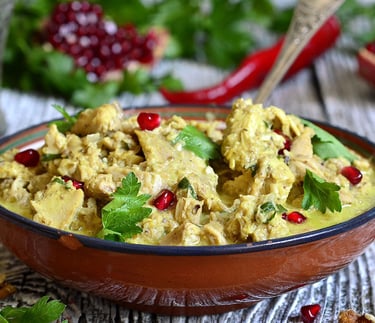
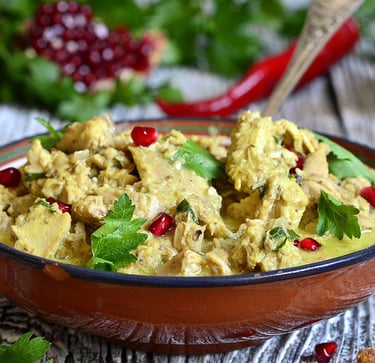
Satsivi
A cold dish of Georgian cuisine, renowned for its rich flavors and inviting presentation. It consists of chicken or fish and vegetables, expertly cooked and then served in a thick, creamy sauce made with walnut paste, garlic, vinegar, herbs, chili pepper, and salt. Ideally, it's served as an appetizer, often accompanied by fresh bread and a glass of regional wine, offering a perfect balance of freshness and complexity. Preparation requires time and patience, but the end result is a dish that tells stories of tradition and conviviality, perfect for special occasions and family meals.
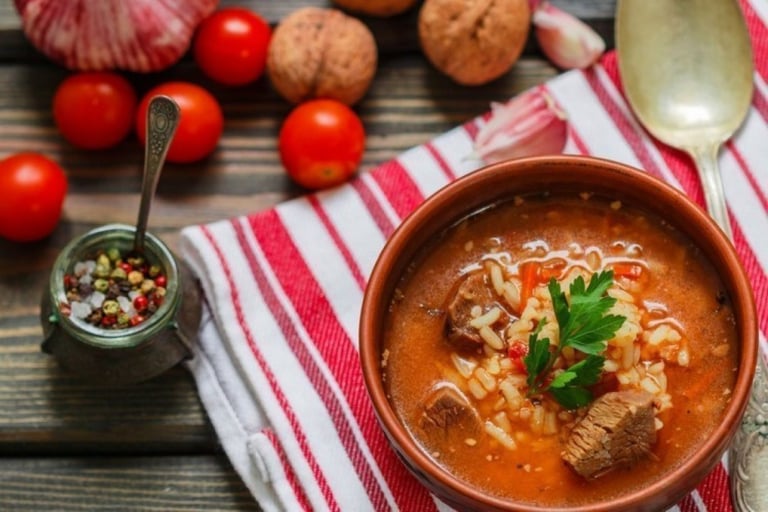
Kharcho
A hearty Georgian soup made with beef, rice, chopped walnuts, and prunes, flavored with a blend of aromatic herbs and spices (coriander, basil, marjoram, dill, and chili pepper). This delicious soup is not only a traditional dish but also an important part of the culinary culture of the Caucasus region. Fresh, high-quality ingredients are essential to achieving the unique, enveloping flavor that characterizes kharcho. It serves as an excellent comfort food and is often accompanied by traditional bread or a side of fresh vegetables, making it a complete and satisfying meal for any occasion.
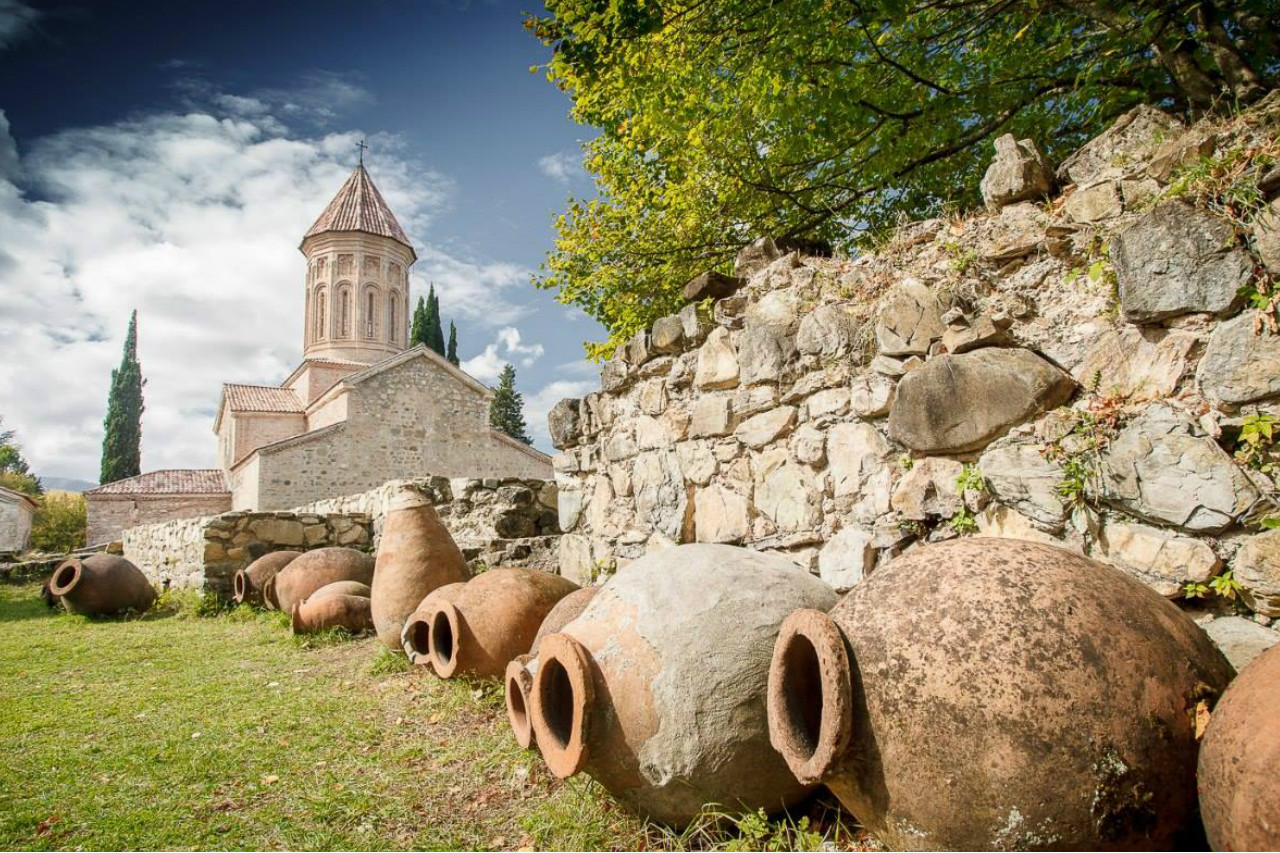
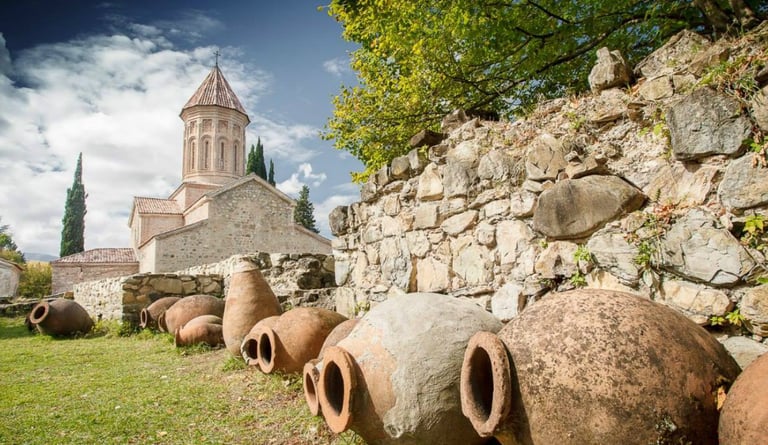
Georgian wines
Some historians consider Georgia to be the origin of the world's viticultural culture. Its location in the Caucasus combines millennia-old traditions and a variety of climates that contribute to an extraordinary diversity of grapes and wines. Georgians, with a winemaking culture dating back thousands of years, have developed unique techniques and methods that reflect their history, art, and passion for wine. Recent archaeological discoveries have uncovered traces of winemaking activities dating back more than 8,000 years. The typical Georgian technique of storing and maturing wine in qvevri jars is evidence that the ancient inhabitants of Georgia were the first to understand the potential of preserving grape juice underground. Today, Georgian wine is increasingly appreciated globally, with nearly 100 million bottles exported to over 50 countries annually. This revival of Georgian wine has led to a rediscovery of the country's food and wine, attracting visitors and connoisseurs from around the world, who come to Georgia to explore its rich viticulture.
Georgia boasts over 500 grape varieties, most of them indigenous, from which the Georgian winemaking tradition produces excellent wines such as Saperavi, Mtsvane, Chinuri, Rkatsiteli, Aleksandrouli, and Tsolikauri. These wines not only represent the country's winemaking tradition, but each variety tells a unique and fascinating story tied to the land and local culture. Wine is produced in all regions of Georgia, but the most well-known is undoubtedly the Kakheti region, a destination for Georgia's main wine and food tours. Here, visitors can discover historic cellars and traditional winemaking practices, savoring wine directly from the producers and immersing themselves in the warm Georgian hospitality, which is itself an important part of the wine experience. Every sip of Georgian wine is a journey through time and space, an opportunity to experience a vibrant culture that continues to thrive and influence the world of wine today.

Contacts
Italy: Incoming Tours
via Padre Losi 24 - Caselle Landi - LO - IT
REA number: LO - 2682570
Policy Europassistance No. 4818133
Eastern Europe representative:
ul.Partizanskaya 25 - Moscow - RU
Mongolia representative:
Chonon bld, Seoul St., Ulaanbaatar, Mongolia - MNG
Central Asia representative:
ul.Kurmangazy 1/96/25 Almaty - KZ
telephone: +39 0377046332
WhatsApp: +393334052902
mail: info@incoming-tours.com