


cuisine in Uzbekistan
You can't fully immerse yourself in Uzbek culture without trying its incredible and diverse cuisine. Traditional Uzbek cuisine is unique in the world for its immense variety and its spicy yet balanced flavors that delight the palate. Main dishes are predominantly meat-based, with lamb and beef being the most popular choices, showcasing the rich culinary heritage of the region. Fish and poultry, while also present, are less common but can offer a refreshing alternative. Numerous abundant spices and fresh vegetables frame wonderful and never boring dishes, spiced just right to create a symphony of flavors. Uzbekistan is notably a major exporter of high-quality fruit, such as succulent melons and sweet cherries, which are definitely well worth trying. Here’s a small selection of this wonderful culinary tradition, which is not only rich in history but also tantalizing to the taste buds, making it worth trying during your trip to Uzbekistan. From the famous plov to mouthwatering manti, each dish tells a story, inviting you to experience the warmth and hospitality of the Uzbek people.
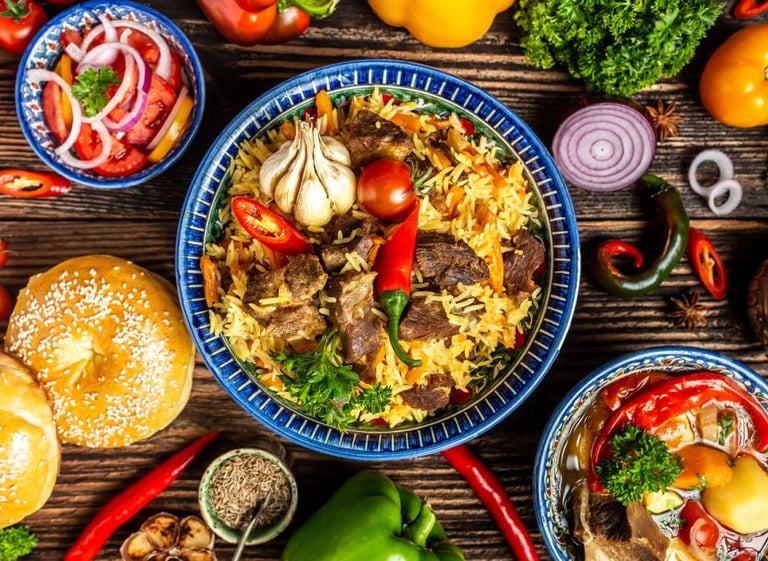
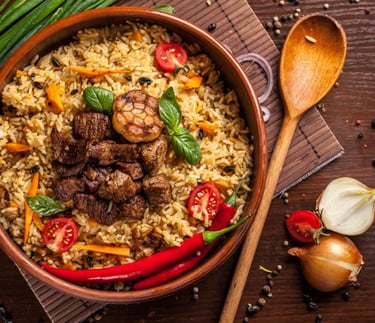
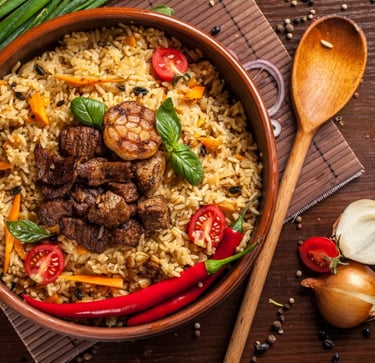
Plov
A famous Uzbek dish of vegetables, meat, and rice, topped with carrots and raisins. Each region of the country has its own recipe, and the cooking method is similar to rice pilaf. This traditional dish is not only nutritious but also rich in flavor, with each ingredient contributing to a unique culinary harmony. Plov is often prepared for special occasions and can vary greatly from family to family, making each tasting experience unique and memorable. It's also common to see plov served in large platters, where people gather to share, reflecting the importance of conviviality in Uzbek culture.
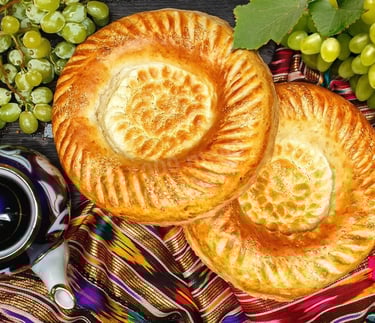
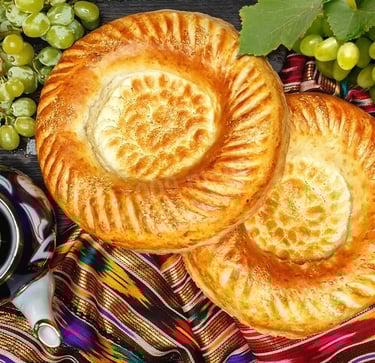
Naan
A typical Uzbek flatbread used as bread. There are several dozen types of naan flatbread, including "patyr," "katlama," and a special Samarkand flatbread. The versatility of naan is astonishing, as it can be served with a variety of dishes, from spicy curries to fresh salads. Furthermore, its soft texture and unique flavor make naan an ideal accompaniment to any meal, quickly becoming a favorite among families and restaurants. Making naan requires attention and skill, but the end result is always an extraordinary and unforgettable taste experience. In many regions of Uzbekistan, the tradition of baking naan in wood-fired ovens is still very much alive, and each family has its own secret recipes and methods, passed down from generation to generation.
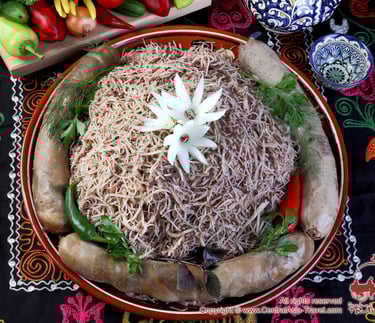
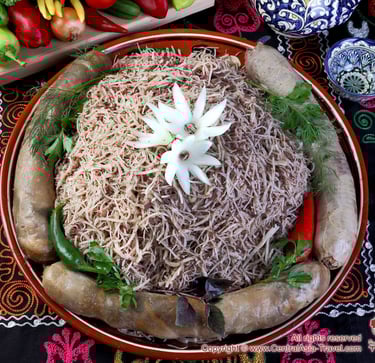
Naryn
Naryn is a traditional Central Asian dish consisting of finely minced meat mixed with noodles. This delicious dish is often served with a rich, flavorful broth, which enhances its unique flavors. Originating in the mountainous regions, Naryn is particularly popular not only in Tashkent, the capital of Uzbekistan, but has also gained fame in other parts of the country and neighboring nations. It is often prepared for special occasions and celebrations, symbolizing hospitality and warmth towards guests. The blend of culinary traditions and the use of fresh ingredients make Naryn a coveted and beloved dish. Locals love to accompany it with aromatic spices and fresh vegetables, creating an unforgettable gastronomic experience.
Chuchvara
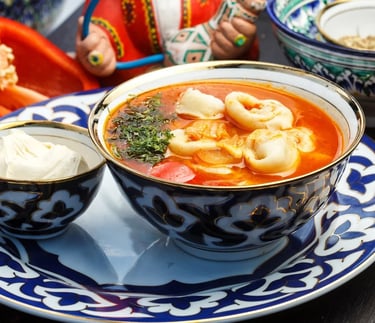
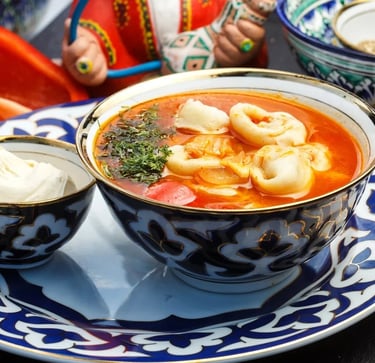
A typical Uzbek dish, incredibly flavorful and popular, these small, thin-crust meat dumplings are cooked in a broth rich in aromatic spices. These dumplings are prepared with great care and attention, enclosing a succulent filling that can vary depending on regional culinary traditions. Many chefs also add fresh herbs to further enhance the flavor, making each dish a unique culinary experience. Typically served with a spicy sauce or yogurt, Chuchvara are a true icon of Uzbek cuisine, beloved by all and often prepared for special occasions and local celebrations, where conviviality is paramount.
Manty
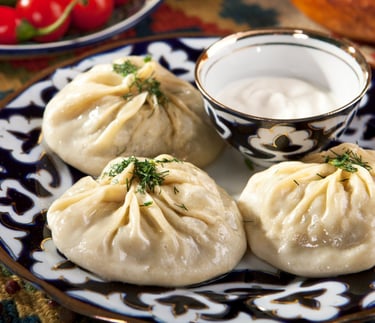
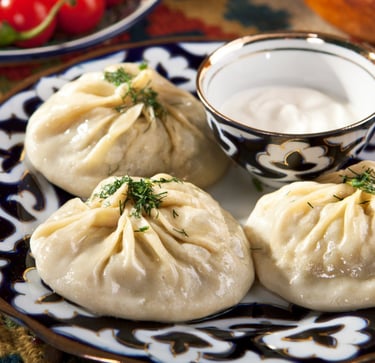
A traditional dish of steamed noodles and meat. The large "ravioli" are usually filled with finely minced lamb or beef and onions. The finished dish is served with sour cream. This culinary delight is often prepared for special occasions, and every family has its own secret recipe that makes it unique. Sometimes, manty are accompanied by aromatic sauces or spicy condiments that further enhance the flavors. Preparing manty requires time and patience, but the end result is absolutely worth it. They can be served as an appetizer or a main course, and are always a hit with everyone who tries them.
Samsa
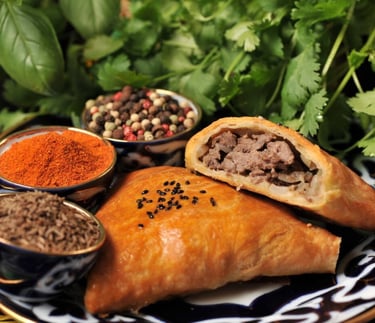
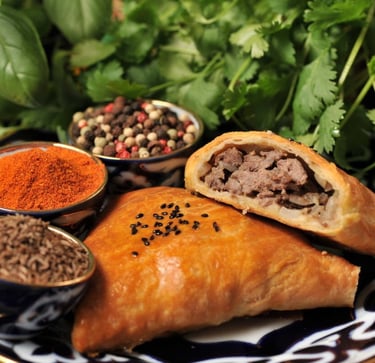
A savory puff pastry pie with a meat filling, usually baked in a tandoor. This dish, originating from several culinary traditions, varies depending on the region and available ingredients. Beef, lamb, chicken, and sometimes even potatoes or pumpkin are used as fillings for samsa. Some recipes also include aromatic spices like cumin and coriander, which lend an inviting aroma and rich flavor. It's common to find samsa served as an appetizer or snack during the holidays, the ideal accompaniment to a hot drink or spiced tea. Many enjoy the contrast between the crispiness of the puff pastry and the soft, juicy filling, making it a popular choice in many families. This dish represents not only a delicious gastronomic experience but also a symbol of conviviality, bringing friends and family together around the table to enjoy it together.
Kazan Kabov
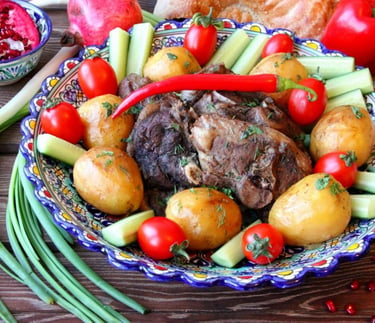
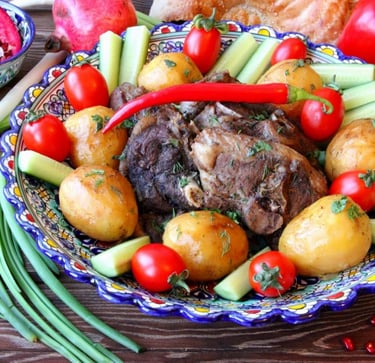
A classic dish cooked in a cauldron. The lamb is fried in oil, then potatoes are added and the whole thing is simmered together. This traditional dish is one of the most beloved specialties of the local cuisine, with a rich combination of flavors and aromas that make it unique. The finished dish is served with fresh onions and perhaps a side of aromatic herbs, which add a touch of freshness and color. It is often enjoyed during holidays and special occasions, bringing with it stories of conviviality and tradition.
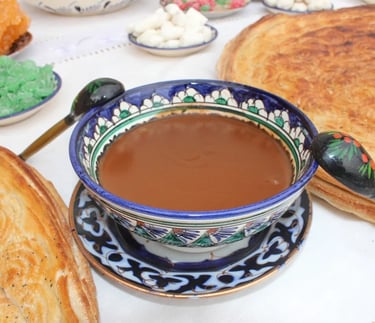
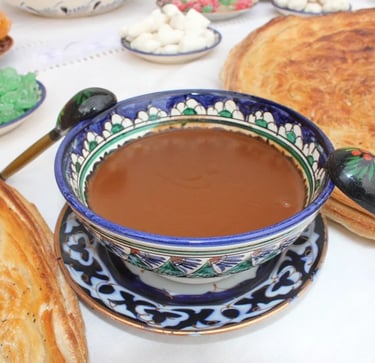
Sumalak
A festive dish prepared for Navruz, the spring festival. This traditional dish is prepared with care and dedication, symbolizing prosperity and abundance. Preparing sumalak requires a laborious process: it uses germinated wheat grains, which are boiled and mixed with flour, creating a thick, rich paste. The finished sumalak is served cold, often accompanied by traditional sweets and dried fruit, making the celebrations even more delicious and memorable. It is customary for families to gather together to prepare it, creating emotional bonds and celebrating the beauty of tradition. This dish is much more than just food; it is a symbol of cultural unity, passed down from generation to generation.

Contacts
Italy: Incoming Tours
via Padre Losi 24 - Caselle Landi - LO - IT
REA number: LO - 2682570
Policy Europassistance No. 4818133
Eastern Europe representative:
ul.Partizanskaya 25 - Moscow - RU
Mongolia representative:
Chonon bld, Seoul St., Ulaanbaatar, Mongolia - MNG
Central Asia representative:
ul.Kurmangazy 1/96/25 Almaty - KZ
telephone: +39 0377046332
WhatsApp: +393334052902
mail: info@incoming-tours.com